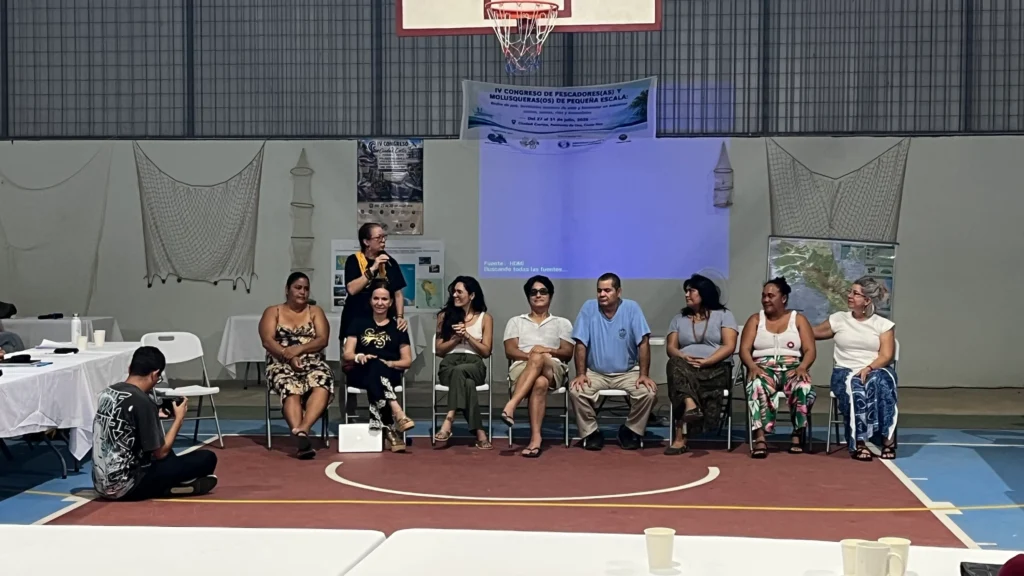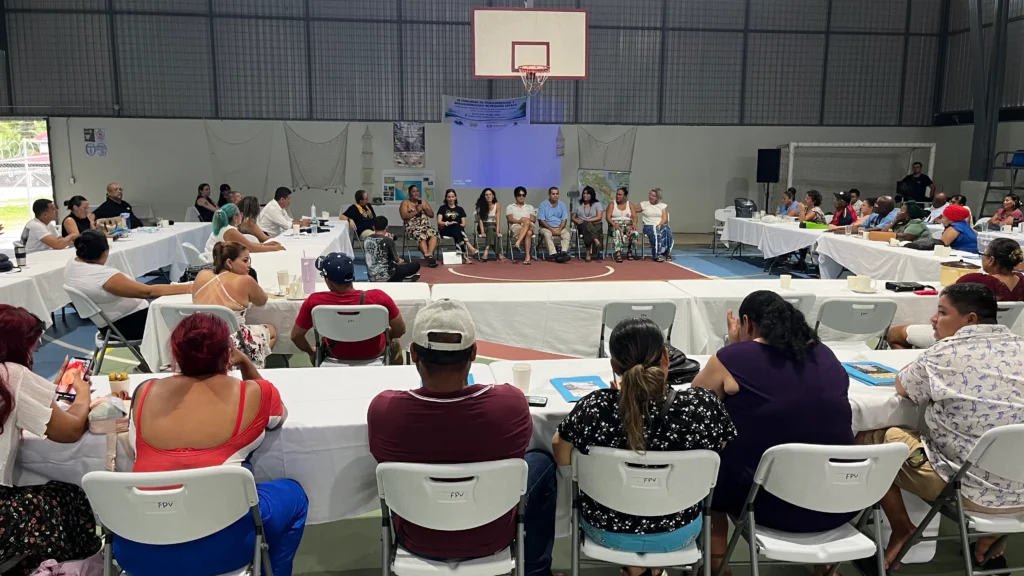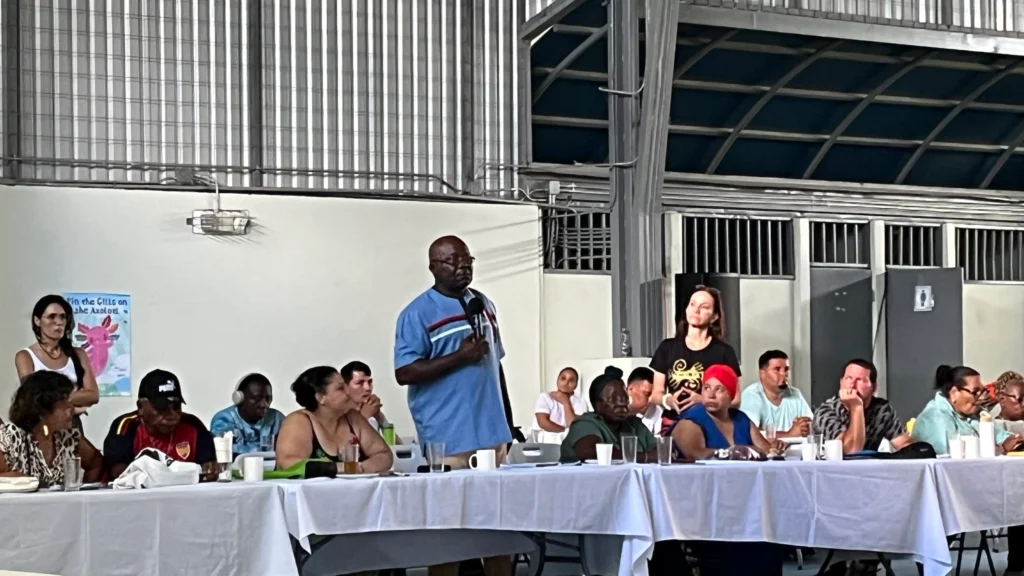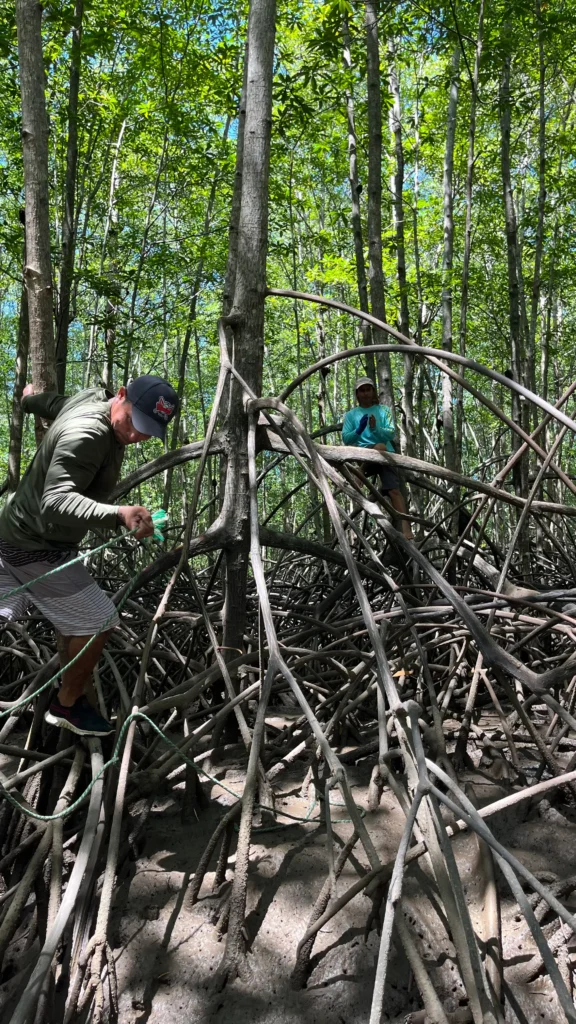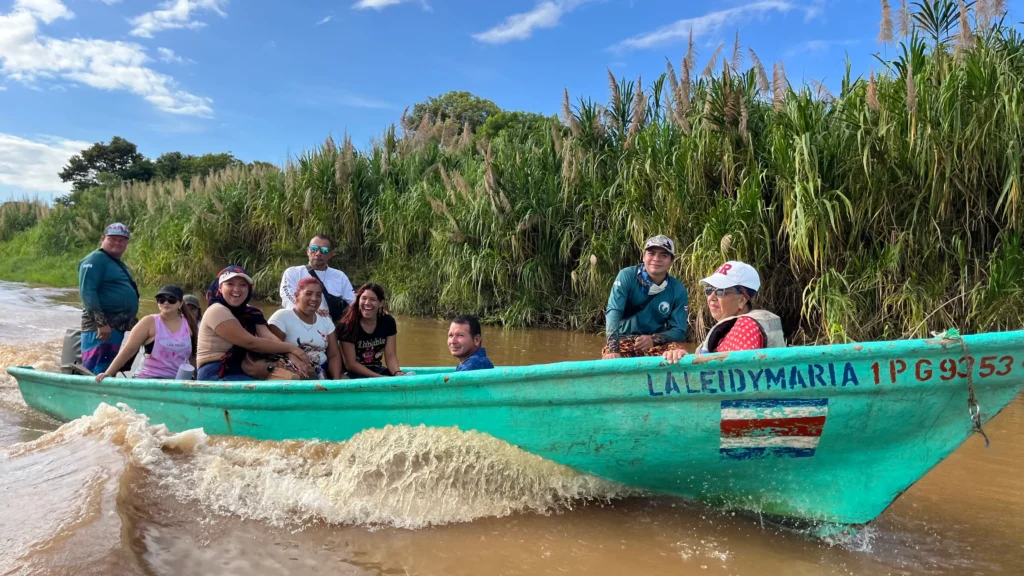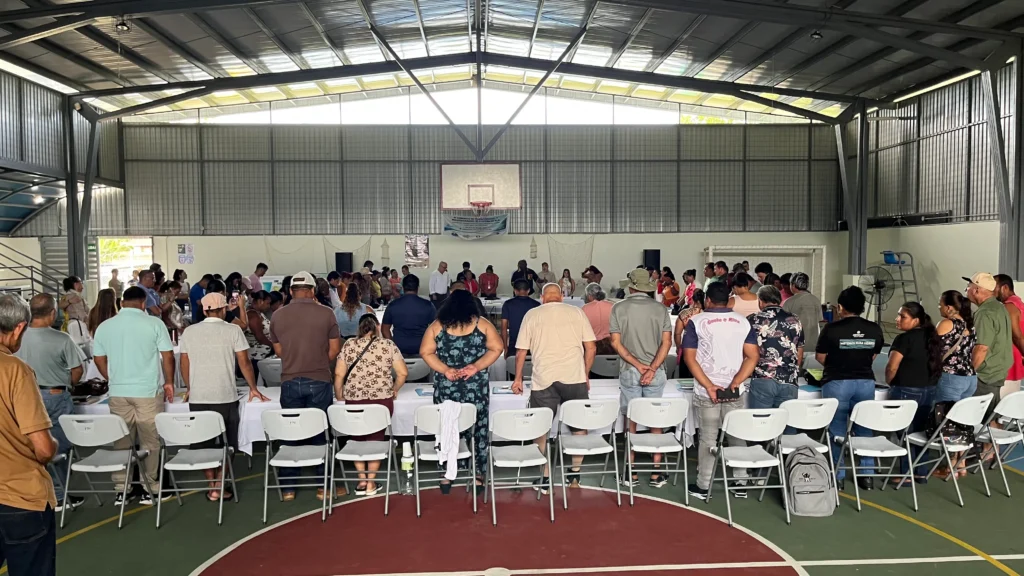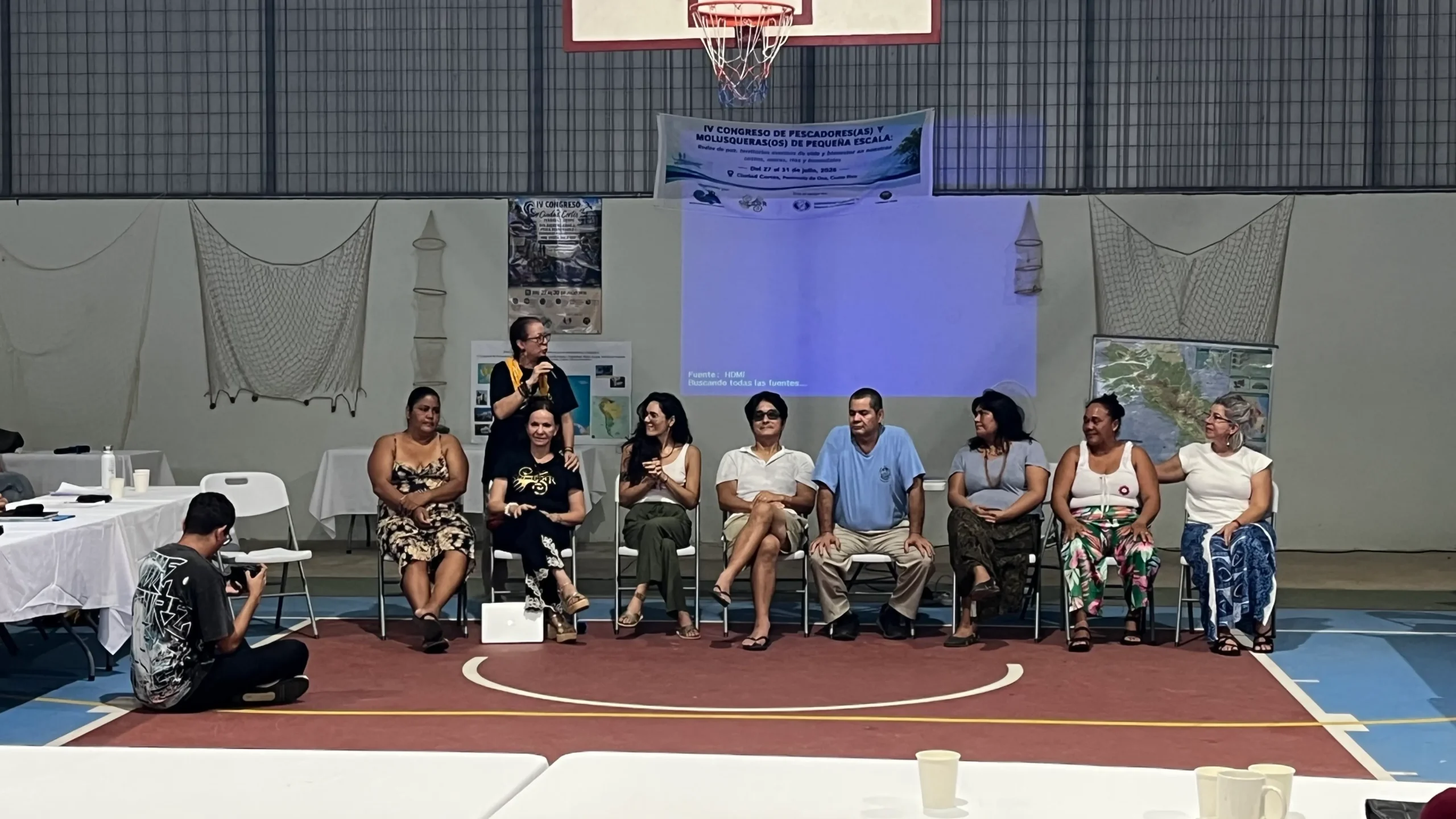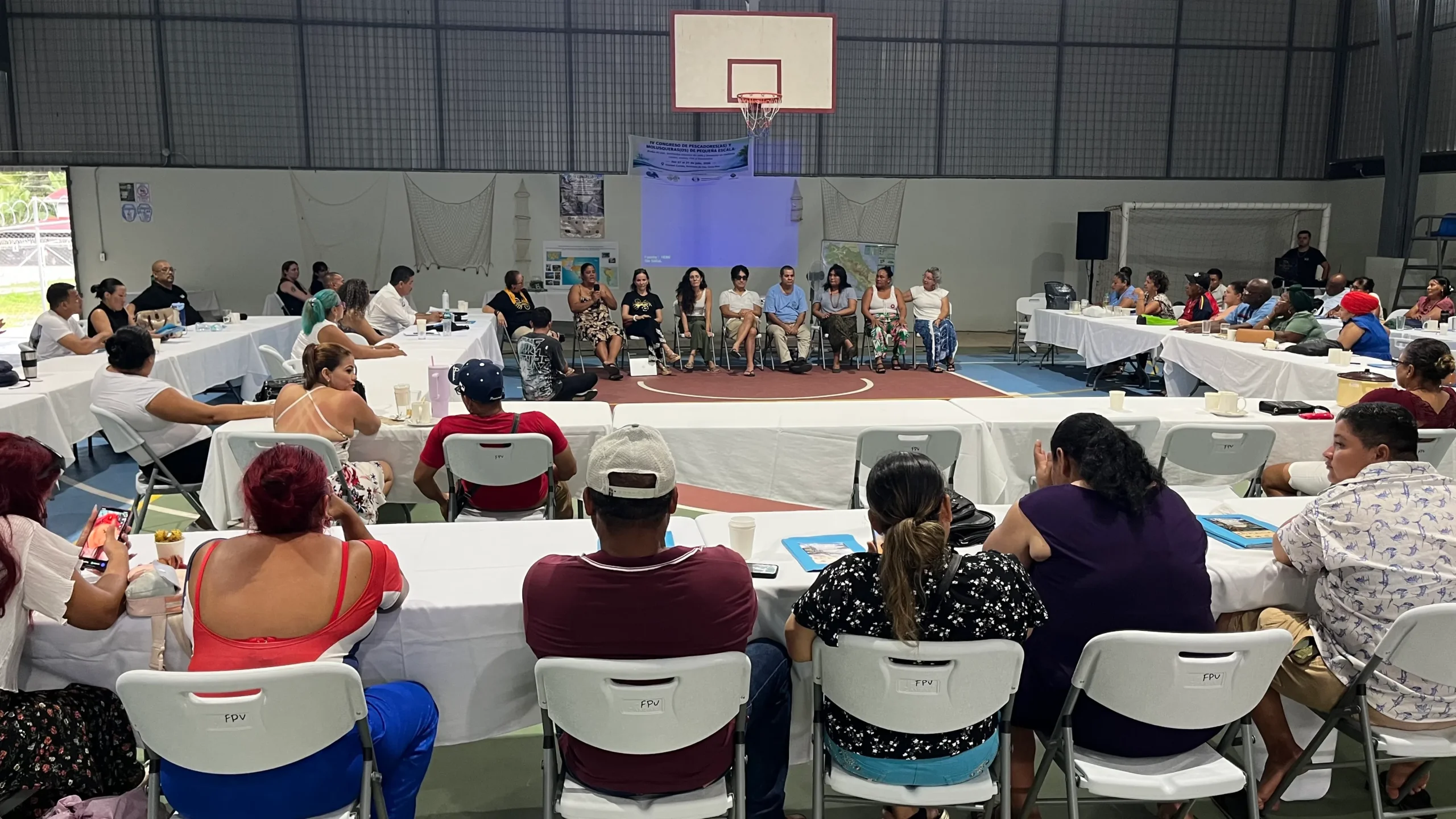
MANIFESTO OF CIUDAD CORTÉS
Marine Areas for Responsible Fishing and Marine Territories of Life Network
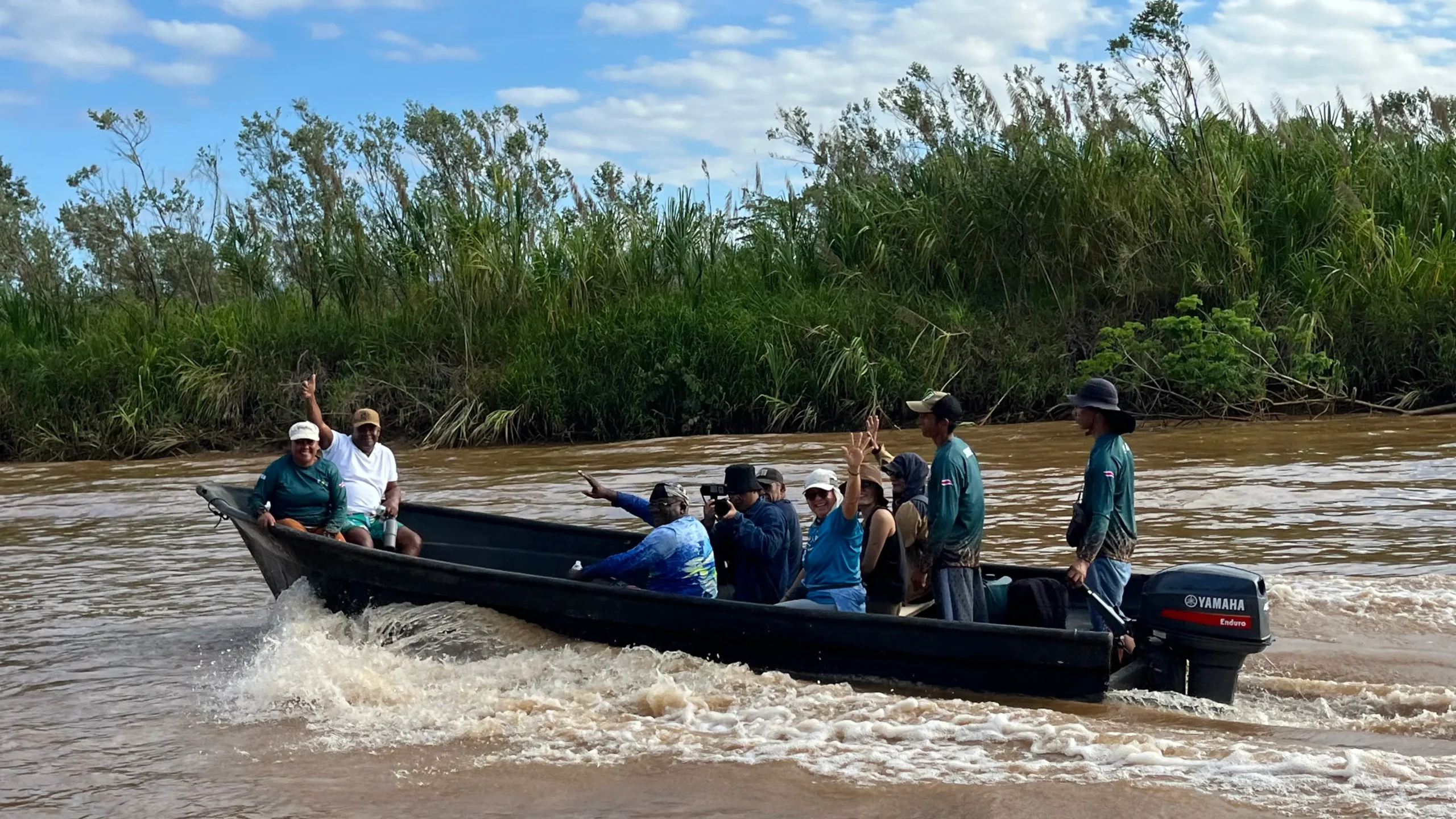
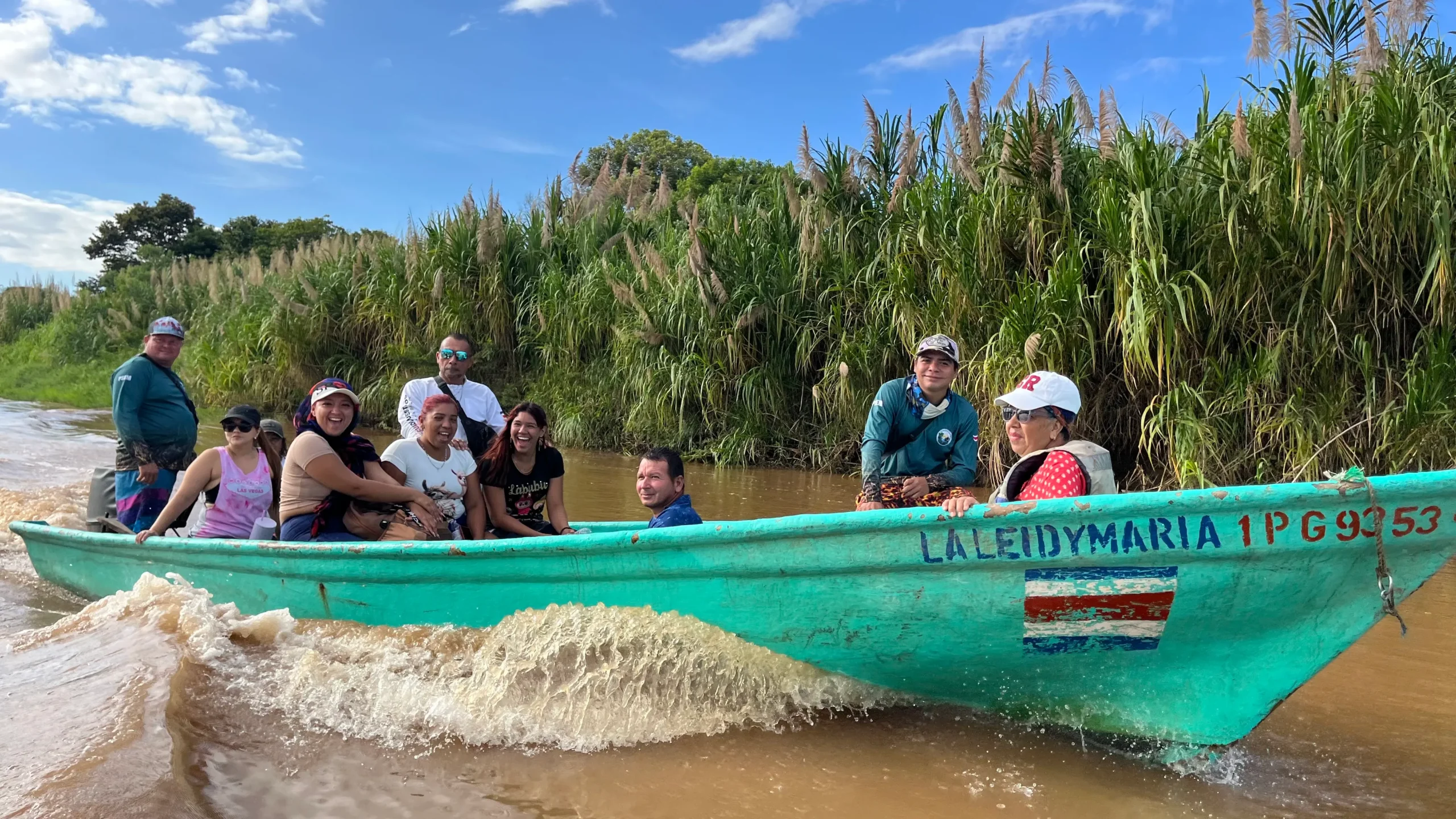
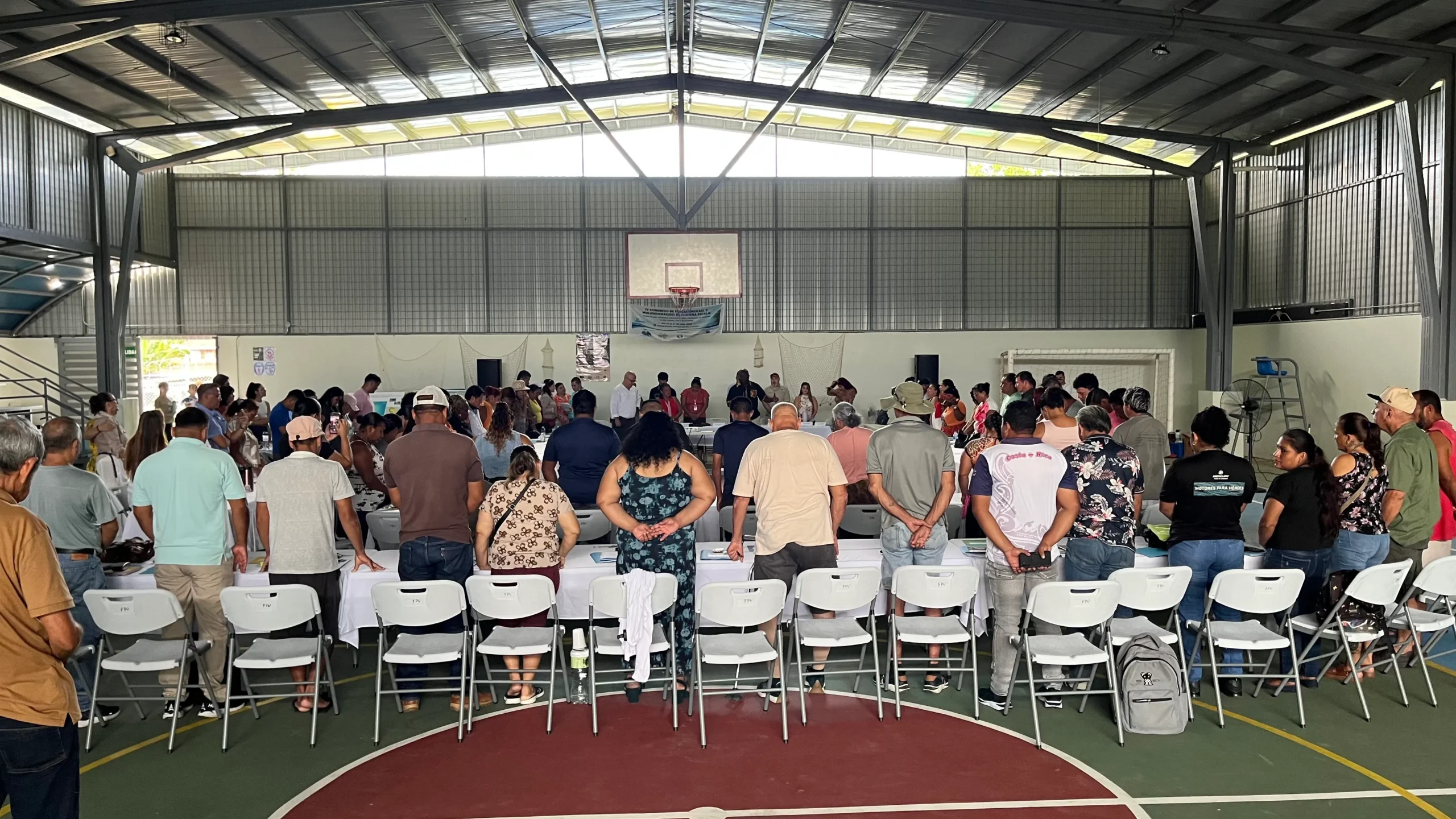
Manifesto of the IV Congress of Small-Scale Fishers and Mollusk Gatherers
Ciudad Cortés, Costa Rica – 2026
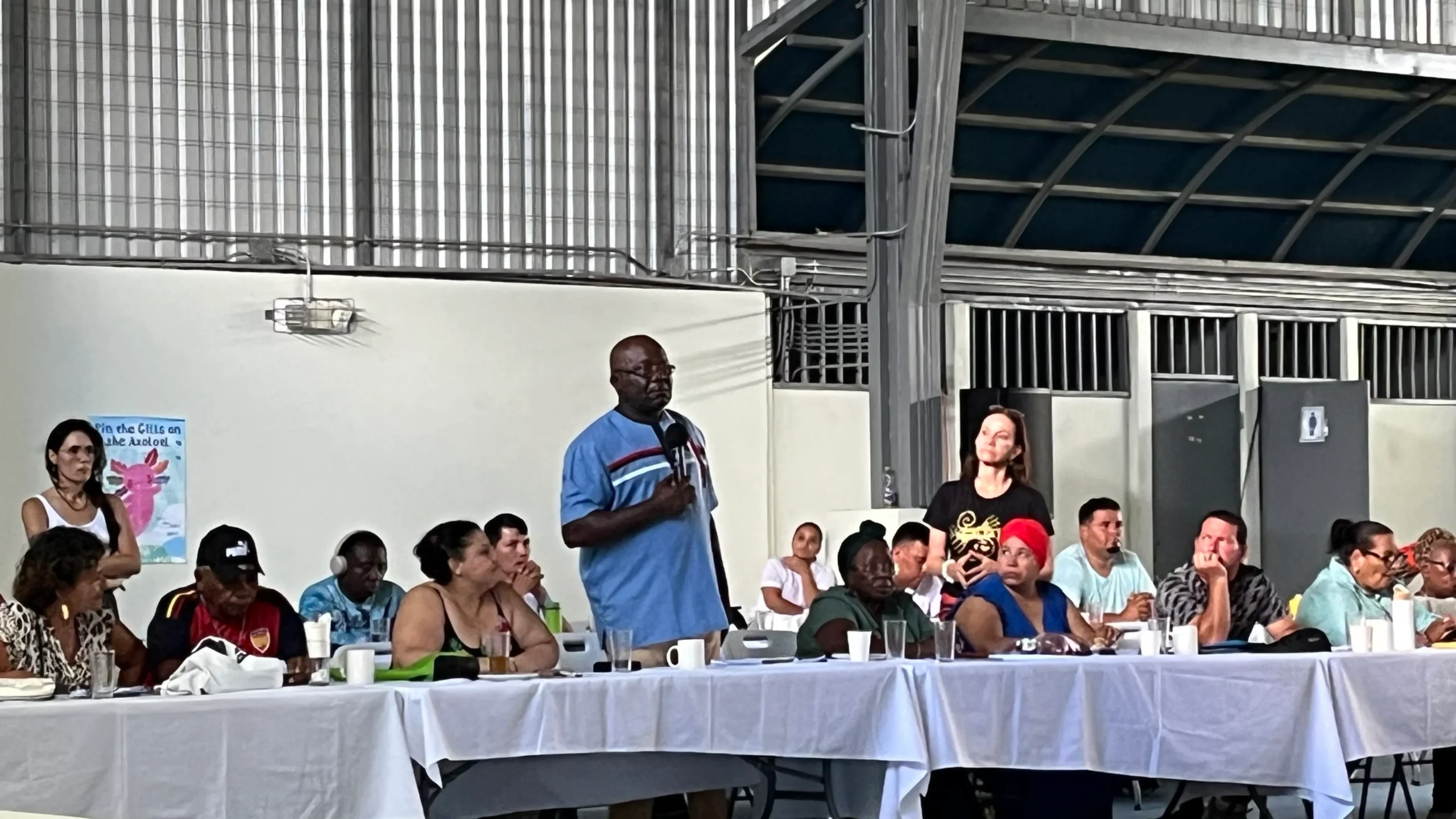
We, small-scale fishers and mollusk gatherers, gathered at the IV Congress of Small-Scale Fishers and Mollusk Gatherers: Peace networks, marine territories of life, and wellbeing in our coasts, seas, rivers, and wetlands from July 28 to 30, 2026, and representing our fishing organizations:
From the Caribbean of Costa Rica:
- Asociación de Pescadores Artesanales de Pequeña Escala Unidos de Barra del Colorado.
- Asociación de Mujeres Peladoras y Procesadoras de Camarón de Barra del Colorado.
- Asociación de Pesca de Limón (ASOPELI).
- Asociación de Pescadores de Subsistencia y Acuicultura del Caribe Sur, Cahuita.
- Asociación de Pescadores Artesanales del Caribe Sur: Puerto Viejo, Punta Uva y Manzanillo.
- Territorio Indígena Kéköldi.
From the Pacific of Costa Rica:
- Asociación de Pescadores Artesanales del Jobo La Cruz, Pacífico Norte (ASOPAR).
- Asociación para la Promoción de los Derechos Humanos y la Pesca Responsable de los Pescadores y Pescadoras y Molusqueros y Molusqueras de Islita – ASPESMOS.
- Asociación de Pescadores de Puerto Pochote.
- Asociación de Molusqueros de Colorado.
- Asociación de Pescadores Mixta de Isla Chira.
- Asociación de Pescadores Unidos Colopes Isla Caballo – Playa Torres.
- ASOPESTUR – Playa Blanca.
- CoopeMoluscosChomes R.L. – Chomes.
- ASOPECOPA – Costa Pájaros.
- Asociación de tour operadores pescadores y pobladores de Uvita.
- Asociación de Pescadores Mar Nuestro – Dominicalito.
- Asociación Mixta de Extracción de Piangua y Pesca Artesanal – Puerto Cortés.
- Asociación de Pesca y Piangüa Familiar de Sierpe.
- Asociación de Pescadores de Pequeña Escala y Afines de Playa Blanca – Golfo Dulce.
- Asociación de Maricultura, Acuicultura Ecoturismo y Pesca Artesanal de – Pavones.
- Asociación de Productores La Flor de Boruca.
From Mesoamerica and international movements:
- Sociedad Cooperativa de Producción Pesquera en General y Acuícola Ostricamichin, México.
- Red de Pescadores Artesanales del Caribe Guatemalteco y Lago de Izabal.
- Federación de Asociaciones Cooperativas Pesqueras Artesanales de El Salvador (FACOPADES DE R.L.) y Foro Mundial de Pescadores.
- Mesa Regional de Pescadores Artesanales del Paisaje Marino de Honduras.
- Representante de la comunidad de Sambo Creek y de su pueblo Garífuna de Honduras.
- Unión de Pescadores Artesanales Bocatoreños (UPESABO).
- Comarca Ngäbe Buglé – Congreso Regional Ño Kribo, Panamá.
- Red de Áreas Marinas de Pesca Responsable y Territorios Marinos de Vida de Costa Rica.
From South America:
- Grupo Interinstitucional y Comunitario para la Pesca Artesanal – GICPA, Colombia.
Recognize:
The progress made in the Mesoamerican region in recognizing small-scale fisheries for its value to food security and regional identity, which is brought to light through the sector’s efforts to work together around marine emblematic sites. From these marine, coastal, and lacustrine territories of life, we have built a joint position to address the main issues affecting rights holders who share this way of life.
This collective effort and construction, has enabled Mesoamerica, through this sector, to integrate its thoughts into the global debate to ensure a human rights perspective in conservation and development.
Significant efforts have been made by small-scale fishing movements toward the implementation of the Voluntary Guidelines for Securing Sustainable Small-Scale Fisheries in the Context of Food Security and Poverty Eradication.
While acknowledging these efforts and their exemplary value on a global scale, the challenges facing the region for this sector are clear, including:
- Effective participation in decision-making processes.
- Lack of transparency and accountability from authorities.
- Marine and land tenure rights.
- Lack of access to fisheries, due to the non-issuance of small-scale fishing licenses.
- Impact of the Blue Economy.
- Loss of cultural identity.
- The need to condemn the 30×30 strategy and the organizations promoting it.
- Non-compliance with international conventions aimed at upholding fundamental human rights in small-scale fisheries.
- Lack of timely, agile, and flexible funding to enable support for work processes in the marine territories of life that still sustain us.
The lack of documentation and informal status experienced by small-scale fishers and mollusk gatherers directly impacts a market system dominated by intermediaries and low prices for seafood products originating from workers in the small-scale value chain.
Traditional markets fail to create conditions that guarantee fair, direct, and differentiated commercialization for small-scale fishing products, restricting dignified incomes and a fair, equitable distribution of benefits from seafood trade to small-scale fishers and mollusk
gatherers.
Final consumers, primarily in capitals and urban centers, lack adequate and timely information, as well as market outlets that provide access to nutritious food responsibly caught by small-scale fishers.
There is an urgent need for a research protocol in marine territories of life that upholds values and principles of respect for the traditional knowledge of small-scale fishing communities and peoples when dealing with academia and other knowledge-generating sectors.
Faced with these urgent challenges, a strong call is issued to all sectors interested in marine conservation and the blue economy to listen to our legitimate voices and our proposals arising from our experience at sea; therefore:
- Demand that states in the region recognize and implement shared governance and co-management models for small-scale fisheries, as well as respect the sovereignty and governance of indigenous peoples, Afro-descendants, and local communities over their fishing territories.
- Guarantee effective access to marine and land tenure, as well as access to resources from seas, rivers, and lakes for small-scale fishing communities. These rights must be formalized as a fundamental principle to ensure a fair and equitable distribution of the benefits derived from biodiversity conservation and the full exercise of their fundamental rights.
- Prevent financial instruments used for conservation and the blue economy from undermining the development of Indigenous, Afro-descendant, and local fisher peoples; instead, ensure the implementation of alternative financial mechanisms that strengthen their wellbeing with equity and justice.
- Request that the fisheries governing bodies of the region’s countries address, define, and implement protocols that ensure respect and the fair valuation of the traditional knowledge of small-scale fisher peoples in the face of initiatives from
academia, governments, and NGOs. - Strengthen and support the roles of women in small-scale fisheries, recognize the exercise of their rights, and ensure a just and equitable distribution of benefits, in recognition of their work in fisheries and their conservation efforts.
- Streamline and propose public policies as well as genuine, legitimate decision-making spaces that guarantee the participation of the small-scale fisher people sector in decision-making processes, respecting their traditional way of life.
- Demand that governments and marine conservation institutions direct their actions toward strengthening the identity and sense of belonging of small-scale fisher youth, in a way that enhances their knowledge and fishing culture within their territories of life.
- Call upon the international community for the restoration of justice within a framework of democracy and peace that allows the rights holders of small-scale fisher peoples to raise their voices when they feel their way of life has been violated and criminalized.
- Issue a national and regional call for the generation of public policy and affirmative actions to guarantee that small-scale fisher peoples can access and participate decently in fair local and national markets—recognizing the work of men and women among small-scale fisher peoples throughout the value chain (pre-harvest and post-harvest), and their contribution to food sovereignty, nutrition, the economy, and the wellbeing of coastal communities.
- Request that governments—through their responsible institutions—international cooperation bodies, and development agencies promote investments aimed at strengthening fair and responsible local and national markets for small-scale fisheries. These investments should enable end consumers to access sustainable, high-quality food systems with high nutritional value, while directly supporting small-scale fisher peoples and mollusk gatherers by improving economic income, ensuring a fair distribution of benefits, and contributing to the food and nutritional security of marine territories of life, our communities, and urban centers.
- Recognizing all the efforts made by the sector in our region to date, we request the following:
I. Support and strengthen all efforts carried out at the national, regional, and international levels
Support and strengthen all efforts carried out at the national, regional, and international levels for the creation of public policies aimed at recognizing a human rights-based approach in marine conservation and development, including:
- In Costa Rica: Follow-up and support for the Network of Marine Areas for Responsible Fishing and Marine Territories of Life
regarding the progress of Bill 24,626, «General Law for the Sustainability of the Small-Scale Artisanal Fisheries Sector» in Costa
Rica. - In Panama: Support for the Ngäbe-Buglé Comarca – Regional Congress Ño Kribo of Panama in their negotiations to maintain
sovereignty and governance over Escudo de Veraguas Island (Dego Island) and their traditional fishing territories in Panama. - The struggle of UPESABO and small-scale fisher peoples around the defense of their traditional fishing areas and their way of life in the
Bocas del Toro Archipelago. - The struggle of the Marine Landscape Platform in La Ceiba, Honduras, and the Garífuna fisher people in the defense and
restoration of justice, specifically the implementation of the Inter-American Court of Human Rights ruling in the Case of the
Garífuna Community of Cayos Cochinos and its members vs. Honduras (judgment dated March 4, 2026). - The case of the Majé Emberá Drúa regarding the defense of LakeBayano; and other significant cases in Guatemala, Mexico, El
Salvador, and other countries in the region, as well as the case of the Chocó Department in the Pacific Region of Colombia.
Request the Mesoamerican representatives participating in the III Small-Scale Fisheries Summit in Rome this September, and those attending COP17 of the Convention on Biological Diversity (CBD) in Armenia in October 2026, to ensure that the contents of this manifesto are shared, and that the voices of everyone present here are heard in the discussions and conclusions of these international events.
Specifically, we expect that ULAPA, ICSF and others, as well as WFFP and WFF, support our vision.
Given in Ciudad Cortés, on the 30th day of July, 2026.